Senior Research Scientist Jersey City, NJ

Messy biology in. Clean sequence out.

Ten years of getting usable data out of material that didn’t want to give it up: single-cell isolation and multicolor FACS, NGS across Illumina, Nanopore & PacBio, and an 11,161 bp synthetic viral genome built from four pieces of DNA.

nanopore_run.pod5  ·  basecalling live  ·  Q20+  ·  SQK-RNA004 translocation → 450 b/s
01 Biography

I’ve been asking inconvenient questions since I was three.

The story my family tells is that at three years old I was already interrogating how the universe worked, and taking it personally when the answers didn’t come. Science fairs were the best week of every school year (volcanoes, tornado chambers, the works), and A Brief History of Time was what I read for fun, which tells you roughly everything about my childhood social calendar. Growing up on the Gulf Coast of Florida, that curiosity ran on two tracks: fishing turned into a fascination with the biology of fish, and baseball turned into an obsession with the physics of the game. A fifth-grade teacher told my parents I’d end up a shark biologist. She had the species wrong. She did not have the trajectory wrong.

That turned into a decade of hands-on molecular biology across academia, an early-stage biotech startup, and big pharma. I studied Biomedical Sciences at the University of South Florida with a minor in Biomedical Physics, then took an M.S. at Auburn University’s College of Veterinary Medicine, where I walked in planning to work on reproductive medicine and walked out doing cancer biology and precision medicine. That pivot set up everything that came after it.

“Everything I do comes down to one thing: pulling real signal out of biological material that doesn’t want to give it up, then writing the method down well enough that somebody else can run it.”

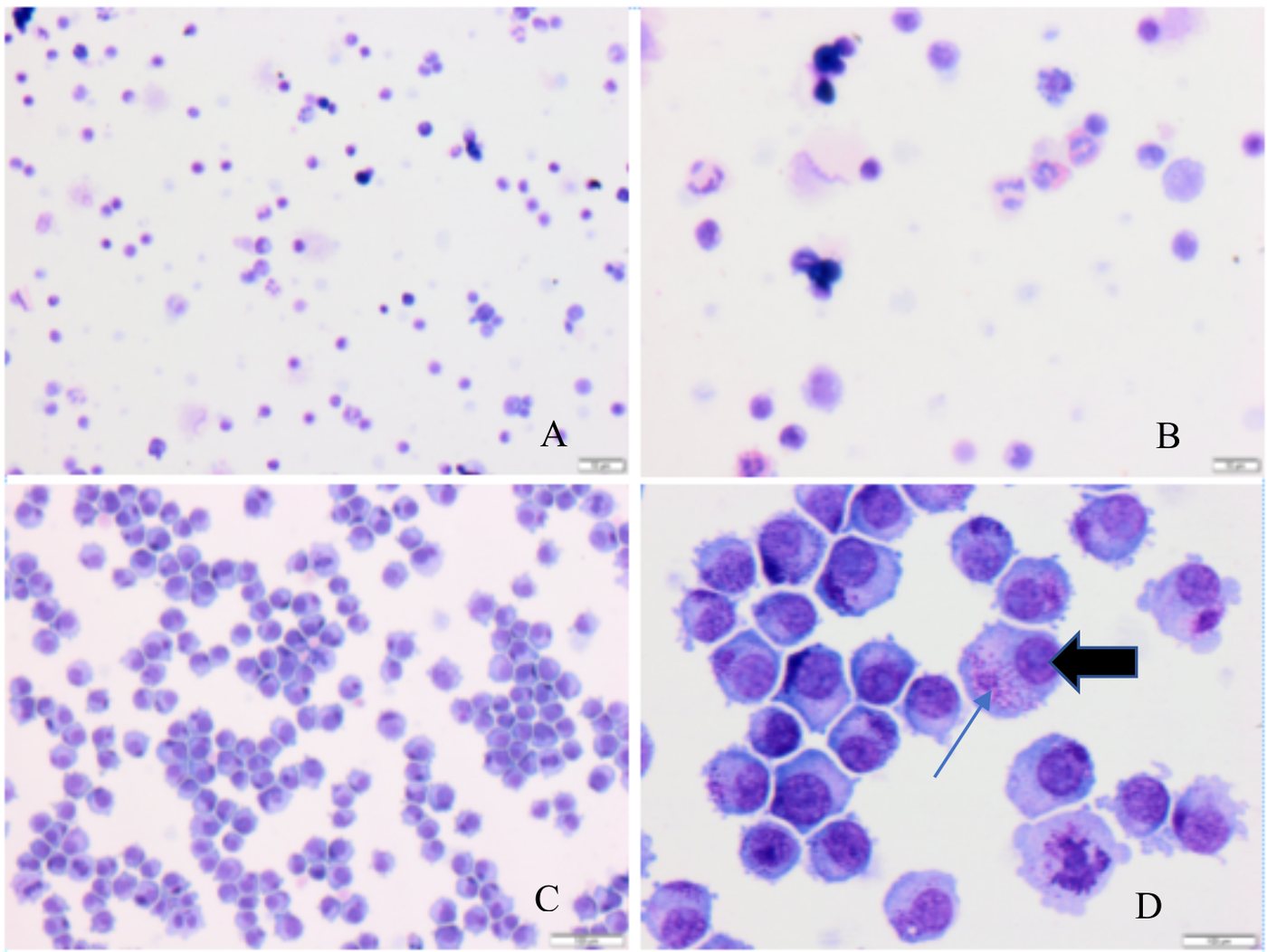
At Auburn I developed the first published protocol for isolating melanocytes from canine skin and oral mucosa, which is a genuinely hard rare-cell problem, since melanocytes are only 3-5% of the cells in skin. The founders of Humane Genomics recruited me out of my thesis defense, and I became one of the company’s first three employees and built a synthetic-virology lab from an empty bench: qPCR pipelines, Nanopore sequencing workflows, and viral vectors engineered for precision cancer therapy. Merck and Azenta Life Sciences came after that, and both sharpened the method-development side across high-throughput, multi-platform sequencing.

I’m GLP/GCP-trained, I’m good at turning a messy biological problem into a research plan somebody can actually execute, and I currently work at the intersection of gene editing, viral vectors, and next-generation sequencing. What I want next is to point that same method-development rigor at a cGMP analytical-development environment supporting first-in-human and IND products.

10yrs
Across academia, startup & pharma
11,161bp
Synthetic VSV genome engineered from modular fragments
13+
Mammalian cell lines run in parallel
3×
Sequencing platforms: Illumina · Nanopore · PacBio
02 Career Overview

I built a lab out of an empty room, then learned how big pharma does it.

I’ve seen this field from both ends. I built bench science from day one at a three-person startup, then carried that same method-development discipline into large-pharma and CRO environments, where the sample volume is a hundred times higher and the documentation matters even more than the result.

2024-2618 months
Scientist I
Azenta Life Sciences
NGS Contract Research Organization
  • Developed, optimized & qualified custom DNA/RNA NGS library-prep workflows across Illumina, Oxford Nanopore & PacBio, spanning CRISPR-validation, targeted-genomics & whole-genome applications.
  • Ran rigorous QC via Qubit, TapeStation & qPCR; troubleshot degraded FFPE inputs to deliver sequenceable libraries on high-volume sample sets.
  • Operated BioMek, Dragonfly & FAST automation for high-throughput pooling; executed whole-genome methylation prep (bisulfite conversion) for epigenomic profiling.
  • Mentored junior scientists and interns on library-prep methods and molecular-biology best practices.
2024Feb-Sept
Scientist II, Associate Contract
Merck (via On-Board)
Rahway, NJ
  • Executed advanced molecular cloning (Gibson Assembly, Golden Gate & site-directed mutagenesis) supporting R&D in genetic engineering & synthetic biology.
  • Performed Nanopore, Ion Torrent & Sanger sequencing for genetic validation, genome assemblies & construct-integrity confirmation.
  • Carried out DNA/RNA extraction, plasmid purification, transformation, electroporation & colony PCR for gene-of-interest investigation.
2021-23~2 years
Research Associate II
Humane Genomics
New York, NY · Synthetic-virology startup
  • Advanced a VSV-vectored COVID-19 vaccine candidate from construct design through in vivo safety studies at the height of the pandemic. Engineered the vaccine by displaying SARS-CoV-2 spike on a VSV backbone, confirmed ACE2-receptor binding by live-cell imaging, scaled production and purification 100-1000x for animal work, and supported a rat safety study (well tolerated, no adverse reactions) plus a pre-IND submission to the FDA.
  • Designed, built & validated engineered viral vectors (AAV, lentivirus, oncolytic VSV) from construct design through functional validation using a full gene-editing toolkit.
  • Scaled upstream production in multi-layer cell factories and purified viral stocks by ultrafiltration / diafiltration (UF/DF) and density-gradient methods; ran ELISA & Western blot for titer, purity and protein-expression QC.
  • Independently built & validated a real-time qPCR assay for viral quantification, directly analogous to VCN, genomic-titer & infectious-titer methods in cell- & gene-therapy QC, plus multicolor FACS & cell-based potency assays for transduction and immune profiling.
2019-21Founding
Research Associate I → Technician Founding
Humane Genomics
New York, NY · Employee #1-3
  • Founding laboratory scientist, one of three people at the company, single-handedly built and operated all bench-side research & QC functions.
  • Contributed Nanopore sequencing & viral-genome assembly for construct verification across iterative design cycles.
  • Authored the foundational SOPs that enabled the company to scale its operations.
2016-20Graduate
Graduate Research Assistant
Auburn University, CVM
Pathobiology · Dr. Bruce Smith & Dr. Tatiana Samoylova
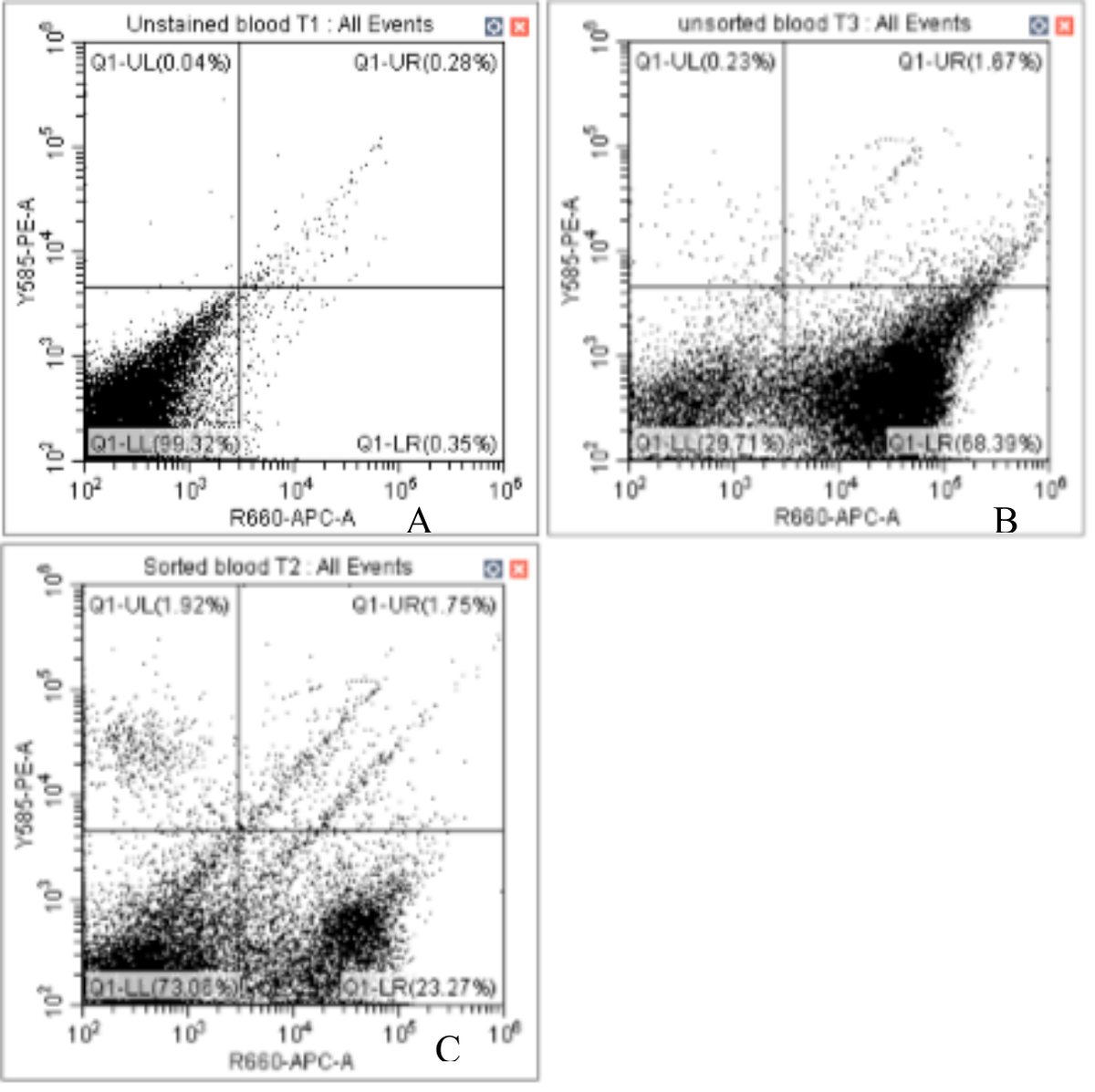
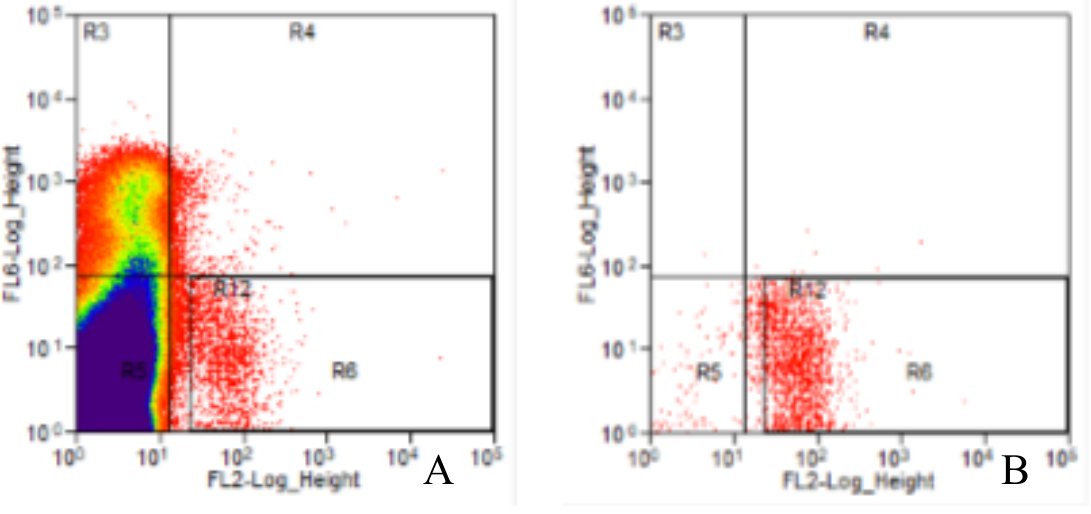
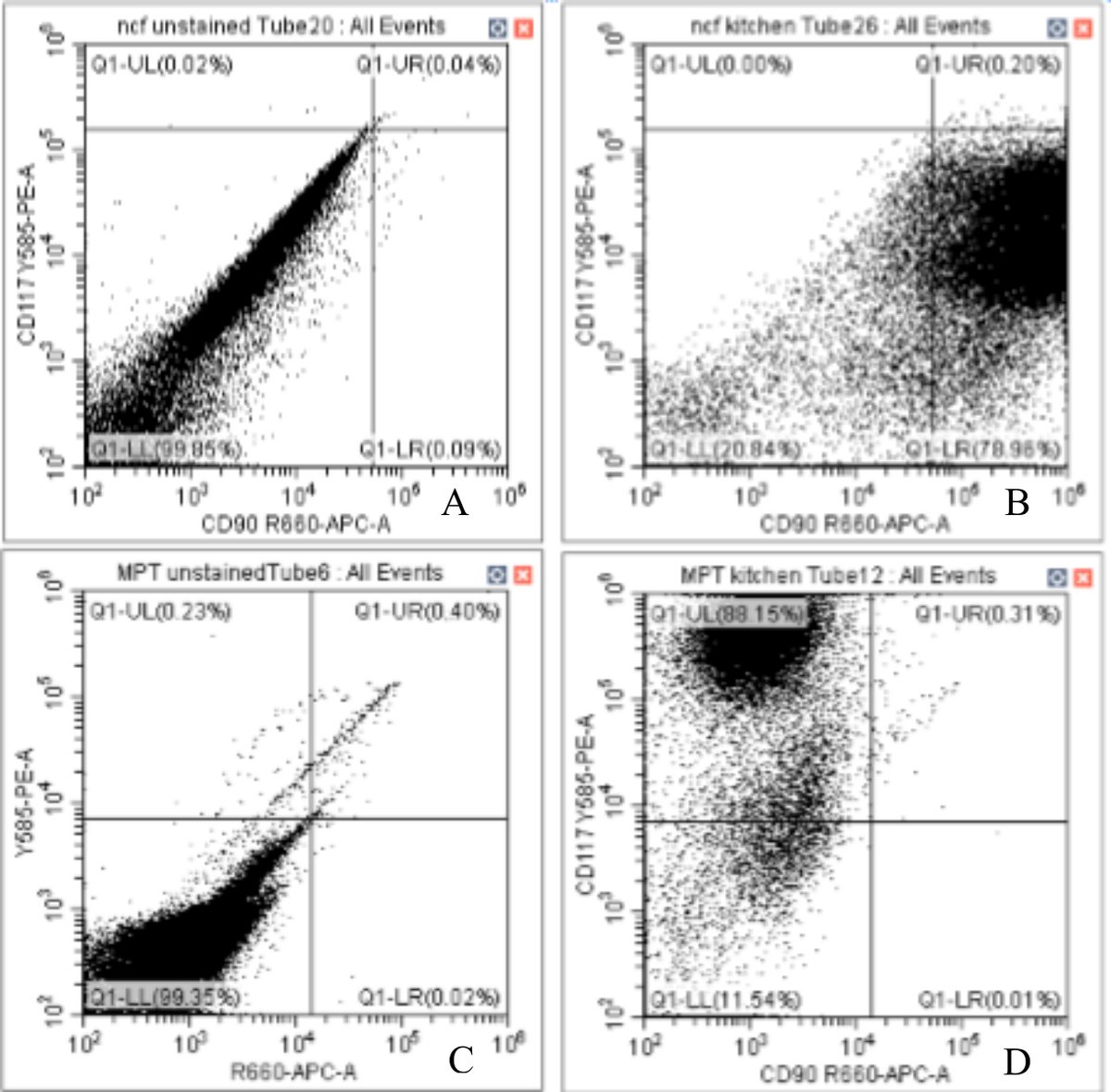
  • Developed novel rare-cell isolation protocols (MACS CD90+ depletion / CD117+ enrichment → FACS) delivering single-cell-sequencing-grade material for precision oncology.
  • Ran a precision-oncology program targeting rare cell populations in blood & tissue; authored a Master's thesis, posters & publications.
  • Supported a companion-animal contraceptive program using Gibson Assembly, site-directed mutagenesis & qPCR.
2015Undergrad
Undergraduate Laboratory Research
University of South Florida
Tampa, FL · Dr. Mary Jones-Mason Lab
  • Studied the effects of aspartame on tumor models using in vitro cell-based assays and in vivo mouse models.
  • Performed gel electrophoresis, PCR & cloning for molecular characterization, the first hands-on bench work of a decade-long trajectory.
03 Selected Projects

Problems I took end-to-end.

Every one of these started as a “how do we even measure this?” question and ended as a method somebody else could pick up and run. That second part is the part I actually care about.

Synthetic Virology · Peer-Reviewed

An 11,161 bp synthetic VSV genome, built from four modular fragments

I co-developed a synthetic-biology platform for engineering Vesicular Stomatitis Virus from the ground up. We assembled a full-length genome out of modularized DNA fragments, rescued it, and titered it, and phenotypic analysis showed no significant difference between the natural and the synthetic virus, which is the whole ballgame, because it means building the thing from scratch didn’t cost us the biology. Then we proved the platform was actually flexible by swapping in a foreign glycoprotein and rearranging the gene order (VSV-P ⇄ VSV-M), which is design freedom you don’t get from conventional reverse genetics.

Genome architecture · 3' → 5' 11,161 bp · negative-sense ssRNA
le N P M G swappable glycoprotein L tr P ⇆ M reorder
N nucleocapsid P phospho M matrix G glycoprotein (engineered) L polymerase
11,161 bp
full genome assembled
4
modular fragments
100s
engineered virions sequenced
Gibson & Golden Gate Virus rescue Nanopore assembly Viruses 2024, 16(10):1641
Vaccine Development · Pandemic Response

A VSV-vectored COVID-19 vaccine candidate, bench to in vivo in five months

At the height of the pandemic we built a SARS-CoV-2 vaccine candidate on the same VSV backbone behind Merck’s approved Ebola vaccine, swapping the native glycoprotein for the SARS-CoV-2 spike protein. We went from design to functional virus particles in under a month. Live-cell Incucyte imaging confirmed the candidate displayed spike on its surface and bound the ACE2 receptor the way the real virus does. I scaled production 100-1000x for the animal work, and a rat study at Auburn’s Scott-Ritchey Research Center came back well tolerated with no adverse reactions, confirmed on CBC and clinical chemistry. We wrote and submitted a pre-IND to the FDA, and then we wound the program down, because authorized vaccines had reached the public and the world didn’t need ours. That was the right call. It still stings a little.

Program write-ups: Proposal ↗ · Scientific basis ↗ · Lab update ↗ · Final results ↗

Bench → pre-IND timeline · 5 months
Month 0
Spike swapped onto VSV backbone; design start
< Month 1
Functional virus particles rescued
Month 1–2
Incucyte: spike display & ACE2 binding confirmed
Month 2–3
Production scaled 100–1000× for animal work
Month 3–4
Rat study: well tolerated, CBC & chem clear
Month 5
Pre-IND written & submitted to FDA
<1 mo
design to functional virus
5 mo
bench through in vivo safety
Pre-IND
submitted to the FDA
VSV vector Spike / ACE2 binding UF/DF purification In vivo safety
Method Development · Rapid Viral Screening

A viral supernatant to Nanopore pipeline: 24 genomes screened in 24 hours

I built one workflow that takes a candidate virus from harvested supernatant to called sequence in a single day. The route runs supernatant harvest → viral RNA isolationcDNA synthesisPCR amplification → library prep on the Oxford Nanopore Rapid Barcoding Kit → sequencing → assembly and analysis. Barcoding let me multiplex up to 24 viral genomes in one run, which turned a serial, multi-day sequencing chore into a parallel screen. What that buys you in practice: a bench scientist can confirm construct identity across a whole panel of candidates within 24 hours, which is fast enough to steer the next round of engineering instead of finding out a week later that round one was wrong.

Parameter
Conventional route
This pipeline
Turnaround
Multi-day, serial
24 hr, supernatant → sequence
Samples / run
One genome at a time
Up to 24-plex, barcoded
Read type
Short reads, assembly-heavy
Long Nanopore reads, full genome
Workflow
Fragmented, multi-instrument
One unified 7-step route
24-plex
viral genomes per run
24 hr
supernatant to sequence
7 steps
unified single workflow
Viral RNA isolation Rapid Barcoding Kit Multiplexed sequencing Candidate screening
Precision Oncology · M.S. Thesis

Isolating rare normal cells from canine tissue & blood

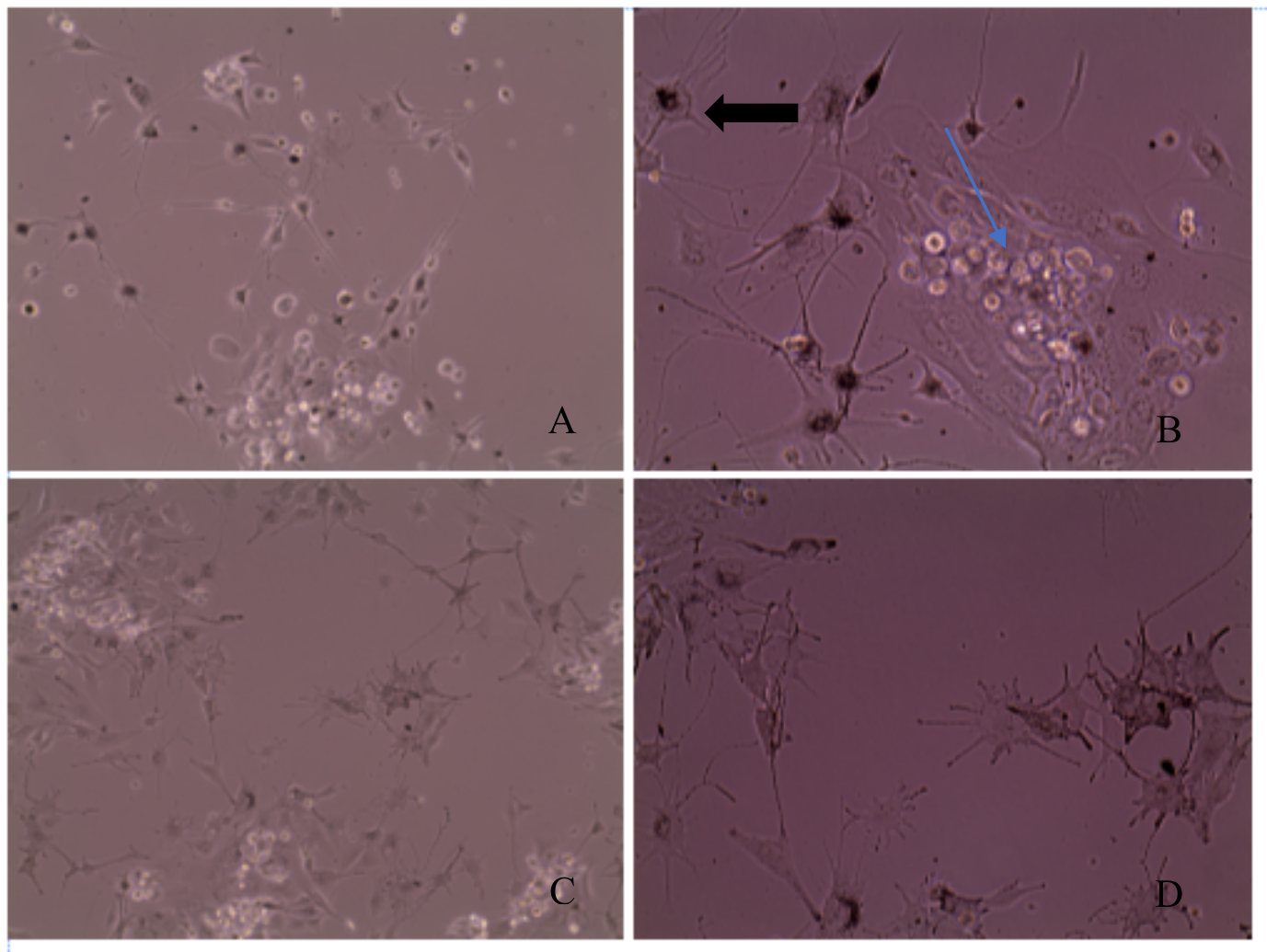
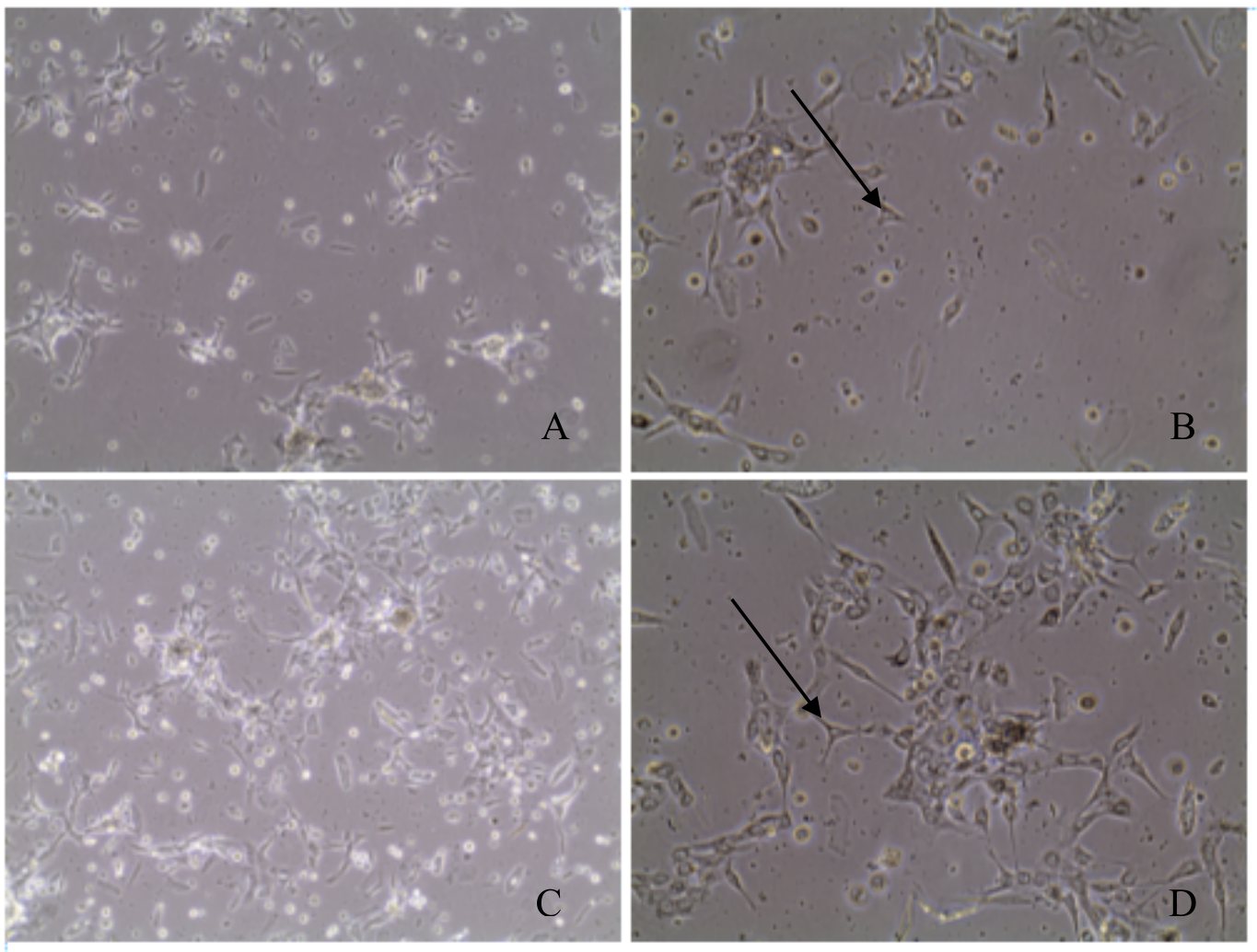
I built protocols to isolate the normal-cell counterparts of three skin tumors (melanocytes, keratinocytes & mast-cell progenitors), so precision-oncology work would have something honest to compare a tumor transcriptome against. The melanocyte method was the first published route for canine cells, and other labs have since reproduced it independently, which is the compliment I actually wanted.

MACS + FACS Single-cell seq prep CD117 / CD90
Assay Development · qPCR

Quantifying VSV titer by two-step RT-qPCR

Viral passaging kept handing me RNA with yield and purity too poor for one-step RT-qPCR, so I engineered a two-step method instead. It quantified viral genomes cleanly across 10³ to 10¹² genome copies, produced the titer data that dosed our in vivo mouse studies, and became the seed of the lab’s whole genome-sequencing workflow.

RT-qPCR Primer design 10³-10¹² range
Oncolytic Therapy · AACR 2023

Retargeted oncolytic VSV with a genetic on-switch for liver cancer

I engineered oncolytic VSV to kill GPC3-positive liver-cancer cells and leave everything else alone, pairing a retargeted glycoprotein with aptazyme replication switches. It infected and lysed at low MOI, did nothing to GPC3-negative cells, and 10⁷ PFU doses were well tolerated in vivo.

Glypican-3 targeting Aptazyme switch In vivo safety
Method Development · Nanopore

A 2-hour NGS plasmid-sequencing method

I built an indirect sequencing route (RNA → cDNA → dsDNA → Nanopore) to read engineered virions base by base for QC, then kept squeezing the plasmid version until it ran miniprep-to-analysis in two hours.

cDNA synthesis Galaxy assembly 2 hr turnaround
04 Research & Service Concept
In development · 2025-2026

Multiplexed direct RNA sequencing.

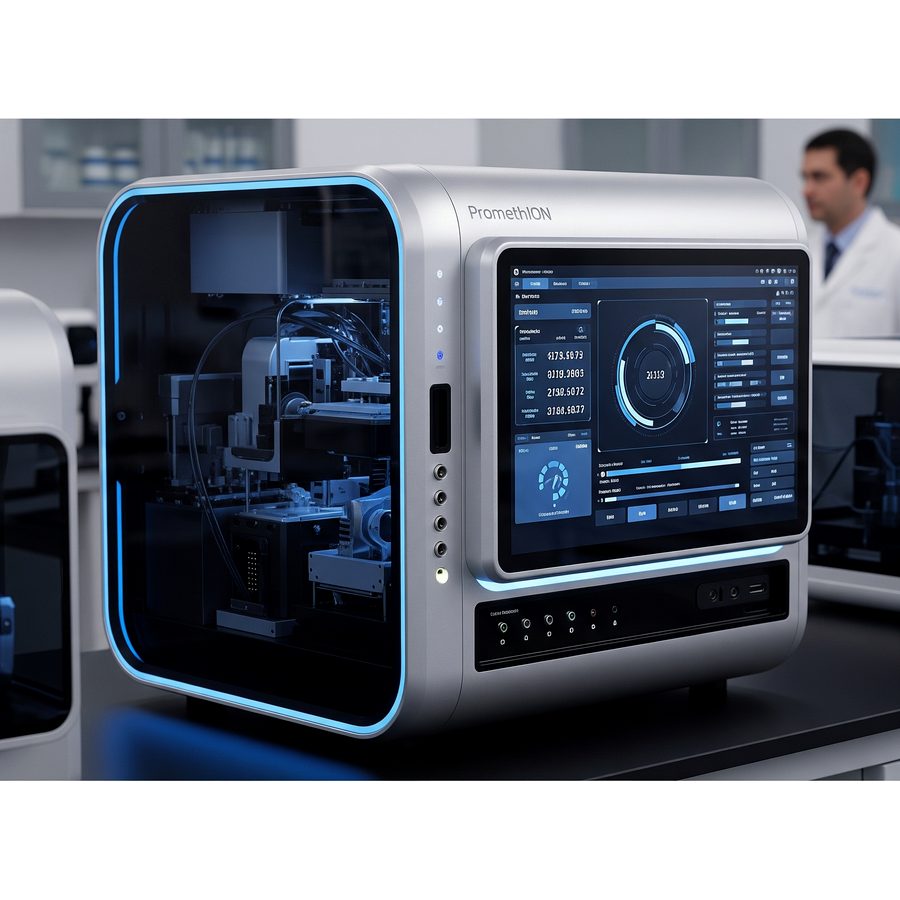
A service concept I’m developing to scale native RNA-seq from single-sample pilots up to 96-plex cohort studies: sequencing the actual RNA strand, with no cDNA and no PCR bias, on Oxford Nanopore’s SQK-RNA004 chemistry.

Native RNA-seq has always been too expensive. That math just changed.

Direct RNA sequencing trades cost for authenticity: one flow cell, one sample, real modifications preserved. That’s a fine trade until you want a cohort. 96-barcode multiplexing rewrites the arithmetic: pool an entire well-plate onto a single PromethION run and the per-sample cost falls from roughly $900 to about $10, without giving up direct-strand sensing.

1-plex
$900
96-plex
$10
≈99% cost reduction / sample
Native RNA strand rendering
Economic Shift High-throughput sequencing

Scalable efficiency

99% cost reduction
From single-flow-cell runs to simultaneous 96-barcode processing on one PromethION.
Maximized throughput
Population-level discovery becomes affordable: cohorts, not just pilots.
Scientific Impact Epitranscriptomic analysis

Direct native sensing

Zero bias results
The true native strand is read directly, with no cDNA or PCR artifacts introduced.
High-resolution biology
Differential splicing, poly(A) tails, and m6A / pseudouridine mapping at cohort scale.
Strategic Value Standardized workflow

Democratized access

Rapid adoption
Seamless 1-plex → 96-plex transition using standardized well-plate workflows.
Full instrument use
Lowers the barrier to high-throughput direct RNA-seq by filling PromethION capacity.

Service specification

// 2025-2026 standard
Chemistry
SQK-RNA004R10.4.1 pores · Q20+
Input requirement
1 µg total RNA20-300 ng low-input protocols
Demultiplexing
SeqTaggerup to 96 barcodes
Hardware
CUDA 11+ GPUhigh-speed SSD I/O
Turnaround
1-4 weeksmarket benchmark
Key output
Epitranscriptomem6A · Ψ · isoforms · poly(A)
$9.31B
Global RNA analysis market, 2025, projected to $23.4B by 2035.
96-plex
Barcodes per run via SeqTagger, at 99% precision and 95% recall.
24% CAGR
Growth in sequencing services & software, outpacing hardware placements.
05 Capabilities

What I can actually do at a bench.

Nucleic-acid extraction through base-called, aligned, variant-called data, with enough assay-development and QC discipline that every step still holds up when somebody else is the one running it.

Genomics & NGS

  • Illumina, Oxford Nanopore & PacBio
  • DNA/RNA library prep, QC & methylation
  • Bisulfite conversion & epigenomics
  • Base-calling, alignment & variant ID
  • Single-cell sequencing pipelines
  • FFPE nucleic-acid extraction & prep

Gene Editing & Vectors

  • CRISPR/Cas9 gene editing
  • AAV, lentivirus & oncolytic VSV
  • Gibson, Golden Gate & seamless cloning
  • Site-directed mutagenesis
  • Construct design → rescue → titration
  • Full-genome assembly (11,161 bp VSV)

Molecular & PCR Assays

  • qPCR / RT-qPCR / dPCR-ready workflows
  • Assay development, optimization & qualification
  • Viral titer & genomic-copy quantification
  • TCID50 & plaque assay (infectious titer)
  • Residual-DNA & contamination QC
  • Sanger & NGS construct verification

Cell Culture & Immunoassays

  • Mammalian cell & tissue culture (13+ lines)
  • Oncology / tumor & primary-cell culture
  • Cell factories & scaled adherent culture
  • Aseptic technique & microbiology methods
  • Multicolor flow cytometry, FACS & MACS
  • Single-cell isolation & rare-cell sorting
  • ELISA, Western blot & SDS-PAGE

Instruments & Automation

  • Qubit, TapeStation, qPCR (QC)
  • BioMek, Dragonfly, FAST (automation)
  • HPLC & fluorescence microscopy
  • IGV & Galaxy (sequence analysis)
  • ELN; SOP & test-method authoring
  • GraphPad Prism; MS Office & Workspace

Process & Rigor

  • GLP / GCP-trained; cGMP-ready mindset
  • SOP & test-method authoring
  • Upstream/downstream bioprocessing (UF/DF)
  • Contemporaneous lab-notebook records
  • Method qualification for IND / FIH work
  • Mentoring & cross-team collaboration
06 Certifications
AI
Google AI Professional Certificate
2026 · AI tooling for data analysis & discovery
GLP
GLP / GCP Training
Good Laboratory & Clinical Practice · cGMP-ready
M.S.
M.S. Biomedical Sciences
Auburn University College of Veterinary Medicine · 2020
Built with code · Live app

Biotech Career Hub

A web application I built myself for navigating biotech careers, using the same modern AI tooling behind the Google AI Professional Certificate above. It seemed more useful to ship something with the skillset than to just hold the certificate.

Launch the app
07 Publications & Posters

The paper trail.

A decade of output: one peer-reviewed journal article, a stack of conference posters, a Master’s thesis, and contributions to patented synthetic-virology technology.

P01

Leveraging Synthetic Virology for the Rapid Engineering of Vesicular Stomatitis Virus (VSV)

Moles CM, Basu R, Weijmarshausen P, Ho B, Farhat M, Flaat T, Smith BF
Peer-reviewed · open access. Read the full paper on MDPI
Journal
Viruses 2024
16(10):1641
P03

Methods for Isolating Canine Mast Cell Progenitors, Melanocytes, and Keratinocytes

Flaat TD. M.S. Thesis, Auburn University College of Veterinary Medicine
Full thesis in the Auburn University ETD repository. Source of the three isolation protocols below
Thesis
Auburn Univ.
April 2020
P07

The Physics of Hearing and Cochlear Implants

Taylor D. Flaat. USF Biophysics Seminar
Seminar
USF · Spring 2015
P Protocols Built From the Thesis

Three protocols for cells that did not want to be isolated.

Precision oncology needs the normal counterpart of a tumor to compare against, and for these three cell types nobody had a clean way to get it. These are the wet-lab methods I developed at Auburn to pull three hard-to-isolate normal cell types out of canine skin and blood, each one repeatable and clean enough for single-cell sequencing. Tap any step for detail.

Melanocytes Keratinocytes Mast cells day markers & end-points shown per track
Project 01 · Differential Adhesion

Melanocyte isolation

Melanocytes are only 3-5% of skin cells. First published method for canine skin & oral mucosa.

Day 1
Biopsy & transport
14 mm punch biopsy of Nair-treated skin (or oral mucosa); transport at 4 °C in Ca²⁺/Mg²⁺ HBSS with pen/strep + fungizone.
Clean & digest
Rinse in EtOH, trim subcutaneous fat, halve the sample, then soak in Dispase Grade II (~2.4 U/mL) for 18-24 hrs.
Day 2
Separate & disperse
Peel epidermis from dermis with forceps; mince sheets and disperse to single cells with 1× TrypLE recombinant trypsin.
Plate in MGM-M2
Centrifuge, resuspend in Melanocyte Growth Medium M2 (PromoCell, phorbol-ester-free) and plate. TPA-free to preserve native signaling.
24-36 h
Differential passage
Passage off non-adherent cells & debris. Melanocytes adhere preferentially, depleting keratinocytes and fibroblasts.
Wk 1
Verify → sequence
Confirm a pure culture and harvest RNA for deep sequencing; if impurities remain, sort by flow with melanocyte-specific markers.
Project 02 · Same Backbone, New Medium

Keratinocyte isolation

Keratinocytes are ~85% of skin, so yield is high. Comparator for basal & squamous cell carcinoma.

Shared
Identical isolation
Runs the melanocyte workflow end-to-end: biopsy → Dispase separation → TrypLE dispersal into a single-cell suspension.
Swap the growth medium
Culture in keratinocyte growth medium instead of MGM-M2. This single change that shifts selection toward keratinocytes.
Abundant recovery
Because keratinocytes dominate the epidermis, even small biopsies yield large, easily maintained populations.
Wk 1
Sequence-ready
Expand to a clean keratinocyte culture and harvest RNA as the normal comparator for skin-carcinoma transcriptomes.
Project 03 · Digest, Then Pivot to Blood

Mast cell & progenitor isolation

Skin mast cells are <1% of cells and hard to purify, so the target moved to circulating progenitors.

Skin
Cutaneous digest
Digest ~1 g of skin (≈1.5 × 14 mm punches) and culture. Yields many cells in 3 days, but a pure mast-cell culture proved impractical.
Rethink the source
Prior methods needed 10 g of skin for ~100k cells at 10-30% purity. Pivot to mast-cell progenitors (MCp) circulating in blood.
Blood
Blood & viability gate
Isolate PBMCs; stain with Ghost Dye Violet 450 and gate on live single cells first, then adjust gates using fluorescence-minus-one (FMO) controls.
MACS depletion
Magnetically deplete CD90⁺ cells. This pre-sort greatly accelerated downstream flow sorting.
FACS the progenitors
Sort the target phenotype: CD117⁺ FcεRI⁺ CD90⁻, validated against MPT-1 tumor cells and normal canine fibroblast controls.
Single-cell RNA-seq
Sequencing is the true determinant: scRNA-seq resolves the progenitor population without needing a perfectly pure sort.

Full parameters, controls and gating strategy are in the M.S. thesis and the progenitor / melanocyte posters.

08 Off the Bench

Also: I run UntriviallyJess, a trivia empire across Jersey City.

Since 2024 I’ve owned and operated a weekly trivia business across multiple Jersey City venues. It is the same obsession with getting the answer right that I bring to the bench, aimed at pop culture and a room full of people who have been drinking.

The job is equal parts host, statistician, and small-business owner: writing and fact-checking the quizzes, running a room of 200+ guests, managing staff, negotiating client contracts, and keeping real-time scores on a weekly schedule that doesn’t move.

To keep regulars coming back I built a custom loyalty-leaderboard app that eats every night’s scores and turns them into a living season standing. Each team earns a Loyalty Score and a tier (Casual → Intermediate → Pro), with trend arrows showing who’s heating up week to week.

The good part is the alternative standings. A handful of powerhouse teams will win everything if you let them, so I built races they cannot dominate: a Handicap Cup that rewards beating your own past average, a Giant Slayer Cup for upsetting the dominant teams, and Median Battles, which crowns the most reliably middle-of-the-pack squad in the room. Everybody gets something to chase.

200+
guests per event
4
Jersey City venues
LN
Luna Jersey City
weekly quiz night
902
902 Brewing Co.
host · scorekeeper
SP
San Patricios
host · event management
HH
Hudson Hound
host · client partnership
LP
Loyalty Score & Tiers
Casual → Intermediate → Pro, with weekly trend
HC
Handicap Cup
points for beating your own average
GS
Giant Slayer Cup
upset the dominant "Giant" teams
MB
Median Battles
most consistent middle-of-the-pack team
09 Software & Applied AI
Live tool · free · no signup

Biotech Job Match.

A job search engine for life-sciences scientists. Drop in a CV and it reads your skills, then ranks live postings pulled straight from the job boards of 79 biotech companies. I built it because every job site I used was matching me on keywords and job titles, which is a terrible proxy for whether a bench scientist can actually do the work, and I got tired of it while job hunting myself.

runs entirely in the browser · your CV is never uploaded

Matching on skills, not job titles.

Most job boards just search the text of a posting. This one parses your CV against an ontology of 67 canonical biotech skills (AAV, oncolytic vectors, RT-qPCR, Nanopore, FACS, UF/DF, cGMP) and builds a weighted profile of what you can actually do at a bench.

Every posting gets scored against that profile. It surfaces roles a keyword search would bury, and it shows you the gaps too: skills a role wants that your CV doesn’t evidence yet.

There is no backend. The PDF is parsed by JavaScript in your own browser, and the postings come from the public ATS APIs companies already serve. Nothing is stored and nothing is sent anywhere, including to me.

01

Read the CV locally

PDF.js extracts the text in-browser, rebuilding line structure so job titles stay distinguishable from body prose.

02

Build a weighted profile

Skills are claimed by trigger terms and damped on a log scale, so a word that's merely common in prose can't outrank a specialised technique.

03

Pull live postings

Greenhouse, Lever, Ashby and SmartRecruiters are queried directly. Every link goes to the company's own board, so nothing is stale or reposted.

04

Score, rank, and filter

Roles are matched against your core skills and career level, then filtered by commute radius: 25, 50, 100 miles, or remote.

79
company boards
67
skills parsed
0
data collected
Client-side PDF parsing Skill ontology & weighting Live ATS APIs Haversine distance filtering Zero backend GitHub Pages
10 Software & Applied AI
Live tool · free · protocols stay in your browser

BioSOP Generator.

An SOP writer for the bench. Describe the work, or point it at a manufacturer’s kit protocol, and it returns a runnable standard operating procedure: hazards, PPE, equipment, reagents, numbered steps with times and temperatures, QC acceptance criteria, a troubleshooting matrix, and a reaction sheet whose volumes are derived rather than asserted. I built it because I’ve written a lot of protocols, and the tedious part was never the science.

cloudflare workers · your protocols never leave your browser

Every volume is derived, not asserted.

The model proposes concentrations; a deterministic engine derives the volumes from C₁V₁ = C₂V₂. When the two disagree you get the derivation, not a silently corrected number. Overflow is an error rather than a quietly redefined reaction volume, and a volume below what anyone can actually pipette comes back with an intermediate-dilution recipe instead of a shrug.

Behind it sits a repository of 620 commercial kit products across 16 vendors: NEB, Thermo, MilliporeSigma, Promega, QIAGEN, Roche, Bio-Rad, Takara, Agilent, Illumina, Zymo, 10x, IDT, Beckman, PacBio, Oxford Nanopore. Every catalog number was confirmed on a fetched vendor page, and anything I couldn’t confirm was left out rather than guessed at. Name a kit and the SOP gets written around that kit’s real chemistry.

References are checked against Crossref and PubMed and come back in one of four honest states: verified, mismatch (a real DOI attached to the wrong paper, which is the hallucination signature), not found, or unchecked when the registry itself is unreachable. Unreachable isn’t the same as nonexistent, and the badge says which one it is.

Nothing is stored on a server. Protocols, immutable versions, hash-bound signatures and an append-only audit log live in your own browser, and the Word, Excel and robot worklist files are built there too. Across a full test session (save, sign, reload, export, encrypt a backup, wipe, restore) the page made exactly one server request, and it was the health check.
01

Say what the work is

Pick a discipline and the form changes with it. A titration asks for cell line, MOI and CPE scoring rules; a stain asks for fixation, retrieval buffer and pH. It stopped interrogating every assay about Covaris settings.

02

Generate, streaming

Sections arrive as they’re written, with real per-section progress and a cancel button. Ten hard guardrails constrain what may appear in a components list and how steps align to the reaction sheet.

03

Audit, and it can fail

Unit algebra, stoichiometry, document completeness, citation integrity and platform chemistry. Each dimension shows its coverage beside its score, and each lists what it did not check.

04

Version, sign, export

Word as a controlled document (header, footer, Page X of Y, signature block, revision history), Excel with live named-range formulas, and worklists for Opentrons, Hamilton, Tecan and Echo, all built from the same engine.

620
catalog numbers verified
36
reference protocols
0
protocols on a server
audit engine · the finding that built it

A protocol scored 99.2 and PASS. It was unrunnable.

The scaffold I started from called itself an ISO/GLP compliance system. Its accuracy score was clamped in code to the range 99.0-99.9, which meant it could not fail, and it printed compliance language for checks that were never written. Then it handed me a 24-plex direct RNA nanopore protocol at 99.2 out of 100, green PASS, carrying four independently fatal defects.

To be fair to the checker, its own disclaimer said it verified arithmetic, structure and citation resolution, not science. But a 99.2 next to a green PASS reads as an endorsement, and people will run what you hand them.

So the score got replaced by an auditor that can return FAIL, that shows coverage beside every score, that names what each dimension didn’t look at, and that makes no compliance claim anywhere. Nine platform-chemistry rules now carry published vendor constraints, each firing only when the document names the platform, each citing the constraint behind it. They’re prohibition-aware too: a protocol that says “do not shear” is following the rule, not breaking it. That distinction cost me a round of false positives to learn.

What it still won’t do is tell you whether the science is right for your question. It checks arithmetic, structure, citation resolvability and known platform chemistry, and it says so on screen and on every export. That’s a floor, not a reviewer.

01

It sheared the RNA

Direct RNA sequences native full-length molecules. Oxford Nanopore states the input requires no fragmentation.

02

It omitted the motor adapter

No motor protein, no controlled translocation through the pore. The library would have produced nothing.

03

It heat-inactivated the ligation

Which denatures the motor protein the step before it just attached.

04

It put dsDNA SPRI chemistry on RNA

Wrong bead chemistry for the molecule. Four errors, any one of them enough to lose the run.

99.2
score it gave that protocol
4
independently fatal defects
FAIL
a verdict it can now return
React 19 & TypeScript Cloudflare Workers Hono on two runtimes Gemini, SSE streaming Deterministic unit algebra Crossref & PubMed verification IndexedDB, AES-256-GCM vault Opentrons / Hamilton / Tecan / Echo 115 tests
11 Software & Applied AI
Live demo · invented books · nothing real in it

Payroll and accounting for a trivia business.

I host pub trivia on the side, and for two years the books lived in a spreadsheet only I could read. So I built the thing that replaced it: invoices, expenses, host payouts, W-2 paychecks with tipped hours, mileage, estimated tax, a partner ledger and a Schedule C export. It runs in the browser against an encrypted vault, with no server and no account to sign up for. The demo below is the real application, loaded with a set of books I made up.

encrypted vault · AES-256, in your own browser, no server

Nine checks, and every one of them is arithmetic.

No model, nothing inferred. Date subtraction, medians and counts. Each check shows the number it fired on, so you can look at that number and disagree with it.

The one I care about most is invoice aging, because it measures a venue against its own settled history rather than a flat 30 days. A venue that has always paid in 45 isn’t late on day 31. A venue that has always paid in 10 is.

It earned its keep the week I finished it. It flagged a night billed at a small fraction of what that venue paid on every other night of the year, with a host cut of the same odd amount sitting on the same date. The event fee had been filled in from the host-cut column.

Two bugs surfaced while I was building the outlier check, and both were the same shape. A venue whose fee never varies has a median absolute deviation of zero, so the check silently never fired on it. And the app announced that a venue’s fee “has never varied” any time that statistic came back zero, which is true whenever more than half the nights simply match. Both now read the actual values.

01

Enter the night

Venue, fee, host, date. A season generator fills a recurring weekly night in one pass instead of thirty.

02

Bill it

Numbered invoices, aging measured per venue, and PDF import for the ones that come back as attachments.

03

Pay everyone

Host payouts gated on the venue actually paying first, and W-2 paychecks with tipped hours and the full deduction breakdown.

04

Hand it to an accountant

Double-entry journal and trial balance, Schedule C, 1099 thresholds, and quarterly estimated tax.

9
checks, all arithmetic
140
assertions, all green
0
servers involved
reports · double entry, and it will tell you when it disagrees with itself

It told me my own estimated tax was wrong.

The app had always counted a night’s fee on the night it happened. That is the accrual basis, and I had never labelled it as such, which meant the estimated tax figure was quietly including money nobody had collected yet.

Both bases now sit side by side, and the gap between them is broken out rather than asserted: invoiced but not yet collected, hosted but never invoiced, and a timing line for invoices dated in a different year from the night they cover. That third line exists because the first two don’t account for the whole difference, and a decomposition that quietly fails to add up is worse than no decomposition at all.

The reports screen translates the books into double entry, every record becoming a balanced pair. Balancing proves very little on its own, since a translation that halved every figure would balance perfectly, so it is also tied back to the totals the app already asserts elsewhere. If any of those ever disagree, the screen says so instead of showing a tidy number.

Mileage is deliberately absent from the trial balance. It is a tax deduction, not a movement of cash, and including it would make these numbers disagree with the bank. It stays on the Schedule C export, where it belongs.

01

Cash or accrual

Switch the basis and the Schedule C profit moves. Take-home and outstanding deliberately do not, and that is asserted in the tests.

02

Journal and trial balance

Every record becomes a balanced pair, exported as CSV so an accountant can work in QuickBooks or anything else.

03

Two figures that differ on purpose

Receivables counts everything earned but uncollected, so it runs above the outstanding tile, which counts invoices only. Both are correct.

04

Not tax advice

It is arithmetic on records I entered. Whether you may change basis after filing is a question for an accountant, and the app says so.

payroll demo · sample data · read-only
encrypted local vaultdouble-entry exportSchedule C1099 thresholdsestimated taxno server
12 Software & Applied AI
Live demo · invented transactions · runs on your own machine

Taylor Money.

A personal budgeting app in the shape of Rocket Money: subscription detection, category budgets, net worth over time, and a bills calendar. It runs on your own machine and there is no account to make. Export a CSV from your bank and drop it in, or add your own Plaid keys and let it sync. The demo below is the real front end on eighteen months of transactions I invented.

import · every layout below works with no configuration

Banks disagree about what a purchase looks like.

Chase writes purchases as negative numbers. Amex writes them as positive, which is the exact opposite. Capital One splits debit and credit into separate columns, Citi does the same and adds a status column, Wells Fargo ships no header row at all, Discover keeps the transaction date and the posting date apart, and European exports arrive with semicolons, day-first dates and 1.234,56 where the decimal should be.

All of those import without configuration, because the layout is read off the file rather than declared. Amounts are the one thing the app refuses to be quiet about, since getting the sign backwards inverts every number downstream. It tells you what it decided, in a sentence with the totals in it, and puts a Flip button next to the sentence.

Re-importing the same file is safe. Rows match on date, amount and merchant, so a second import of the same statement adds nothing. It counts rather than de-duplicates, which is the distinction that matters: two genuinely separate $4.75 coffees on the same afternoon both survive. Every import undoes in one click.

01

Get the data in

A CSV from any bank, no signup. Plaid is fully built and switched off until you add your own keys.

02

It categorises

Eighteen categories, rules you can pin so a merchant always lands where you want, and a confidence flag on anything it guessed at.

03

It finds the leaks

Recurring detection surfaces price rises, subscriptions you forgot, and charges that quietly stopped arriving.

04

Watch the shape

Net worth over time, category budgets that suggest their own starting numbers, and a calendar of what is still coming.

7
bank layouts, no config
18
months in the demo
0
data leaving the machine
recurring · the useful signal is change, not frequency

The interesting part is what stopped charging you.

Subscription detection is easy to do badly. Group by merchant, call anything monthly a subscription, and you have built something that finds Netflix. Everyone already knows about Netflix.

What is worth surfacing is change: the streaming service that went up 16%, the internet bill that went up 19%, the six entertainment subscriptions that each look reasonable on their own and together cost more than the internet does. The demo shows all three, because the sample generator plants them deliberately, along with a gym that quietly stopped charging and was never cancelled.

The Plaid integration is complete: link flow, token exchange, /transactions/sync with cursor pagination, and pending-charge handling. It ships switched off, because Plaid keys belong to a person rather than to an application. Sandbox mode uses fake banks, so the whole flow can be driven end to end before it is ever pointed at a real one.

01

Price rises

The old amount, the new amount, and what the difference costs over a year. That last number is the one that changes behaviour.

02

Clusters

Six streaming services is not six decisions, it is one decision made six times. The app groups them so it reads that way.

03

Charges that stopped

A subscription that goes quiet is either cancelled or about to surprise you. Both are worth knowing.

04

Nothing is uploaded

The store is a JSON file on your own disk. The demo you are looking at is a static snapshot with no server behind it at all.

taylor money demo · invented transactions · read-only
CSV importPlaid syncrecurring detectionnet worthcategory budgetslocal only

If nobody can measure it yet,
I want to hear about it.

I’m open to senior research-scientist and analytical-development roles in gene & cell therapy, NGS, and synthetic biology. Email is the fastest way to reach me.